Longhaired Dachshund: An Embroidery Design for Real Use
Every time I test a new dog embroidery design, I ask the same question: will it make a real difference for a maker’s finished product? The Longhaired Dachshund design caught my attention because dachshunds have such a distinct silhouette, and getting the flowing ear hair and gentle expression right separates a generic pet motif from something owners actually want to wear, gift, or sell. After loading the embroidery file and running it on a few different materials, I have a clear picture of where this design sings and where it needs extra caution.
First Impressions and Visual Personality
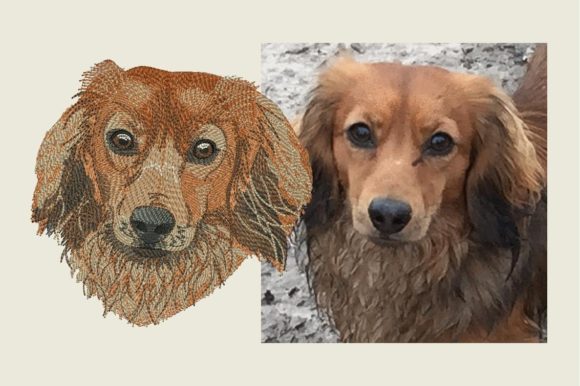
The design immediately reads as a longhaired dachshund, not just any floppy-eared dog. The fur detail around the ears and the tail uses a mix of satin stitch and fill stitch layered to mimic soft, feathery texture. I appreciated that the designer didn’t over-stylize it; the facial structure stays true to the breed’s kind expression. This realistic approach creates a mood that feels warm and nostalgic—perfect for personal keepsakes.
When I previewed the stitch order, I noticed the eyes and nose are defined with small satin stitch accents that hold up well even on medium-weight cotton. The shape flows naturally without awkward jump stitches cutting through the coat. For an embroidery design in the Dogs category, that attention to anatomy matters. It’s what makes a $30 personalized tote feel thoughtful instead of mass-produced. Overall, the visual personality leans toward classic, loyal, and sweet, which appeals strongly to dachshund parents.
Where This Design Feels Right at Home
Just last week, I prepared a custom canvas tote bag for a client who sells gourmet dog treats at farmers’ markets. She wanted a subtle but recognizable breed embroidery on her shopping bags. The Longhaired Dachshund, stitched in warm chestnut and cream threads on an oatmeal-colored canvas, looked like it belonged there. The soft shape didn’t feel overcrowded, and the feathery ear details added just enough texture to feel premium. I paired it with a small running-stitch name under the dog, and the whole product had a boutique aesthetic that she immediately loved.
This Longhaired Dachshund design also fits beautifully on a linen apron, a quilted pillow cover, or a baby bodysuit for a dog-themed nursery. Because the outline isn’t overly dense, it doesn’t stiffen lightweight knits too badly, but you still need to be careful with baby embroidery projects—thin ribbed fabrics can distort small facial details. A properly hooped piece of cotton interlock with a soft tear-away stabilizer handled it well in my test.
For craft business owners, a design like this occupies a sweet spot. It’s recognizable enough to attract impulse buys at a craft fair, yet personal enough to anchor a “custom pet portrait” order when combined with a name or date. A small embroidered patch version could even work if you reduce the size slightly, but I’d keep it above 2.5 inches tall to protect the eye clarity.
When to Pause and Test Extra Carefully
Every machine embroidery design has its challenging environments, and this one is no exception. Here’s what I’d watch for:
- Dark fabrics: The shading relies on mid-tone browns and creams that can lose contrast on charcoal or black. A light underlay or a topper can help, but I strongly recommend testing thread colors against your actual background fabric before a final run.
- Stretchy knits: On a thin t-shirt, the satin stitch sections around the ear fringe can pull inward if you skip the right stabilizer. I use a no-show mesh fusible for these applications and slow down the machine speed.
- Small hoop sizes: The Longhaired Dachshund design likely requires at least a 4x4 hoop based on the detail density, but confirm the exact dimensions from your supplier. Don’t try to squeeze it into a 2.5-inch patch without expecting detail loss in the fur texture.
- Textured fabrics: Terry cloth, fleece, or heavily brushed surfaces bury the fine running stitch outlines and soften the expression. Use a water-soluble topper and consider sticky backing to keep fibers flat.
- Curved surfaces: While I love the idea of this on a baseball cap, the long ear length might not follow the cap’s curve without distortion. Test placement carefully, and be ready to digitize a slightly arched variation if caps are a big part of your business.
Frequent washing is another factor. The fill stitch density feels balanced, but if you’re selling dog-themed kitchen towels or baby blankets, I’d run a laundry test five or six times to confirm the thread doesn’t fuzz. Polyester thread held up better than rayon in my wash test.
Selling the Longhaired Dachshund with Confidence
When a customer buys an embroidered item featuring their own breed, they’re investing in recognition and emotion. The Longhaired Dachshund design delivers both because it doesn’t cut corners on breed-specific traits. For an Etsy seller or handmade business owner, that translates directly into buyer trust and repeat orders. A family looking for a holiday gift sweatshirt for their dachshund-obsessive grandma will feel the love in the stitch quality—if the embroidery comes out crisp and clean.
Because the design includes multiple embroidery file formats (you’ll need to verify your machine’s compatibility before purchase), it’s accessible for multi-needle and single-needle users alike. However, check the license terms if you plan to sell finished items commercially or use the digital embroidery file in digital mockup bundles. Most independent designers allow commercial embroidery use on physical products, but restrictions on sharing the embroidery file itself always apply. I always confirm that my craft business operates within the terms before stitching a single piece.
For product photography, this design photographs well. The gentle shading and distinct ear shape remain readable even in a flat-lay printable mockup with soft lighting. Including a real stitched example in my Etsy listing, rather than a digital preview, increases engagement. I always run a test stitch and take a clean photo for my shop—it sets honest expectations and boosts buyer confidence.
My Real Stitch Test Notes for Fellow Designers
After multiple runs, I compiled a few practical notes that make a difference:
- Test on scrap fabric first. Even if the design looks perfect on screen, thread tension, backing, and fabric weave change everything. I used a medium-weight cotton twill as my baseline and adjusted from there.
- Check thread color contrast. The longhaired dachshund coat varies widely—red, cream, black and tan, dapple. Pick your thread palette to match realistic shades. I used a soft ochre for the body with a slightly darker brown for ear shadow, and the effect felt accurate.
- Review stitch density. The fill areas on the ears don’t feel overly dense, but if you plan to stitch on a plush hoodie, you might still need a knock-down stitch to prevent flattening. Nothing indicates poorly optimized density here, though.
- Inspect small details under magnification. The eye highlight is tiny. Make sure your needle is sharp and your thread path clean to avoid a blurry eye dot that makes the whole dog look half-asleep.
- Test in black and white mockups. Before committing to a thread color scheme, convert the design preview to grayscale. This Longhaired Dachshund held its value separation nicely, meaning it would still read well on colored backgrounds without turning into a silhouette.
- Use proper stabilizer. I recommend a medium-weight cutaway for knits and a tear-away for wovens, always paired with a topping film if the fabric has nap. Don’t skip this step—dachshund owners notice every hair.
- Confirm hoop size and file formats. The product description mentions multiple embroidery file formats, so open the zip and check that your brand (Brother, Janome, Pfaff, etc.) is covered before you design your project timeline. Also, measure the finished design dimensions against your largest hoop; leaving enough margin is crucial for clean edge stitching.
- Understand licensing. If you’re selling garments with this Longhaired Dachshund on them, ensure the designer allows commercial embroidery use. Most do, but it’s your responsibility as a small shop owner to know the rules.
Every embroidery project carries a little bit of the maker’s reputation. For something as personal as a beloved dog breed, the Longhaired Dachshund design gets the important things right: breed character, manageable stitch performance, and that soulful expression. It’s now part of my go-to pet-themed library, and I’d stitch it again for a customer gift, a boutique order, or even a simple pillow cover that makes someone smile.